Executive Assistant Courses & Professional Development
The EA role is evolving
Today’s EAs are working across executive priorities, stakeholder relationships, technology, AI, communication, governance and business operations. They are increasingly expected to exercise judgement, influence outcomes, anticipate needs and help leaders operate effectively.
Professional development gives EAs a structured way to strengthen that capability, build confidence and prepare for what comes next.

“Professional development shouldn't begin with the assumption that something is missing. It should begin with recognising the capability that is already there and asking, where could this person go next?”
Why is professional development important for Executive Assistants?

Strengthen strategic judgement and business acumen

Build stronger executive partnerships

Develop influence and stakeholder management skills

Communicate with confidence at executive level

Build AI and digital capability

Recognise and articulate professional value
What should Executive Assistant professional development include?
The right development depends on the EA’s current responsibilities, capability, organisation and career goals. For modern Executive Assistants, several areas are increasingly important.
Strategic judgement and business acumen
Understanding organisational priorities, making informed decisions, anticipating issues and connecting day-to-day work with broader business outcomes.
Executive partnership
Building a high-trust partnership with an executive, understanding priorities and creating greater capacity for both people to operate effectively.
Influence and stakeholder management
Building relationships, communicating with confidence and influencing outcomes without relying on formal authority.
Communication
Communicating clearly at executive level, navigating difficult conversations and contributing as a trusted sounding board.
AI and digital capability
Using technology to improve work while applying judgement around accuracy, privacy, governance and human oversight.
Professional confidence and self-advocacy
Recognising capability, articulating contribution and participating confidently in conversations about role scope, development, remuneration and career.
Career development
Identifying pathways to broaden responsibility, capability and influence over time.
Professional development
is part of a career
Often, EAs can hesitate to ask for development because they worry the request may suggest they cannot do their job. Executives can have the same concern when raising development with a valued EA.
A healthier approach treats professional development as a normal part of a professional career. Organisations invest in leaders and other professional roles because capability should continue to grow. Executive Assistants benefit from the same expectation.

“When an EA asks for professional development, I don't hear 'I can't do my job'. I hear someone taking responsibility for their career and contribution.”
How is AI changing the
Executive Assistant role?
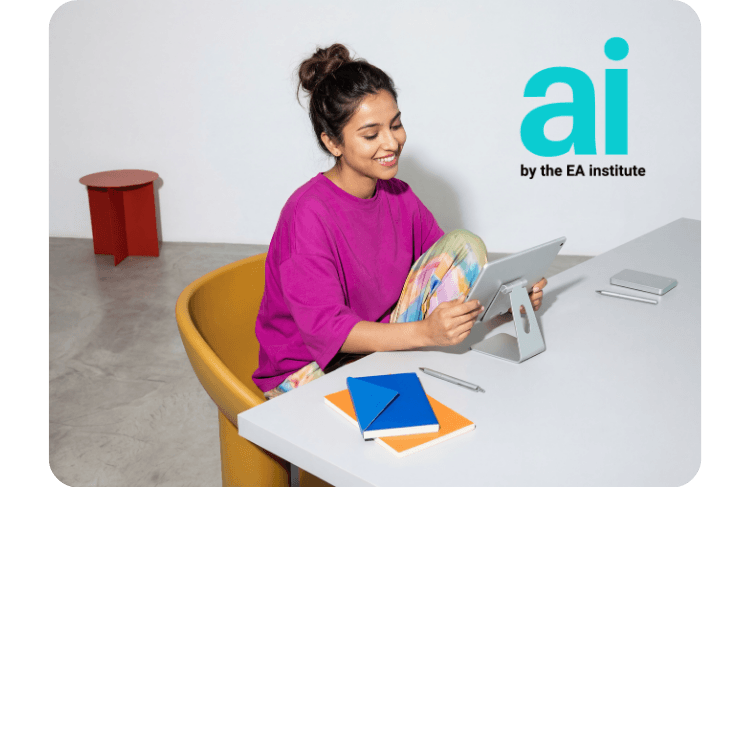
AI is changing how administrative and knowledge work is completed. As some transactional tasks become easier to automate, the value of human judgement, context, communication, relationships and trust increases.
Future-ready EAs need practical AI capability alongside critical thinking and sound governance. Professional development should help EAs use AI effectively, assess outputs, protect sensitive information and understand where human judgement remains essential.
What role should executives
and organisations play?
EA development works best when it is supported by the executive and organisation. Regular conversations about capability, priorities and career direction help connect development with business outcomes.
- Where could the EA take greater responsibility?
- What capability would strengthen the executive partnership?
- What business exposure or opportunities would support their growth?
- How could stronger EA capability create more capacity for the executive and organisation?

“If you're an executive who relies heavily on a great EA, their development should matter to you. Their capability affects the quality of the partnership you build together.”

How can an Executive Assistant
ask for professional development?
Start with the outcome. Frame development around the capability you want to strengthen, why it matters to your role and how it could benefit your executive or organisation.
- What capability do I want to develop?
- How does it connect to my current responsibilities?
- What business outcome could it improve?
- What could I take greater responsibility for?
- Where do I want my career to go next?
EA professional development
and professional standards
Clear professional standards help EAs understand what strong practice looks like and give organisations a more consistent way to recognise and develop capability. Certification can provide a structured framework for learning, application and professional recognition.
The Executive Assistant Professional Certification (EAPC) from The EA Institute is designed around contemporary EA practice, including executive partnership, strategic judgement, business acumen, communication, digital capability and professional confidence.

What EAs are telling us…
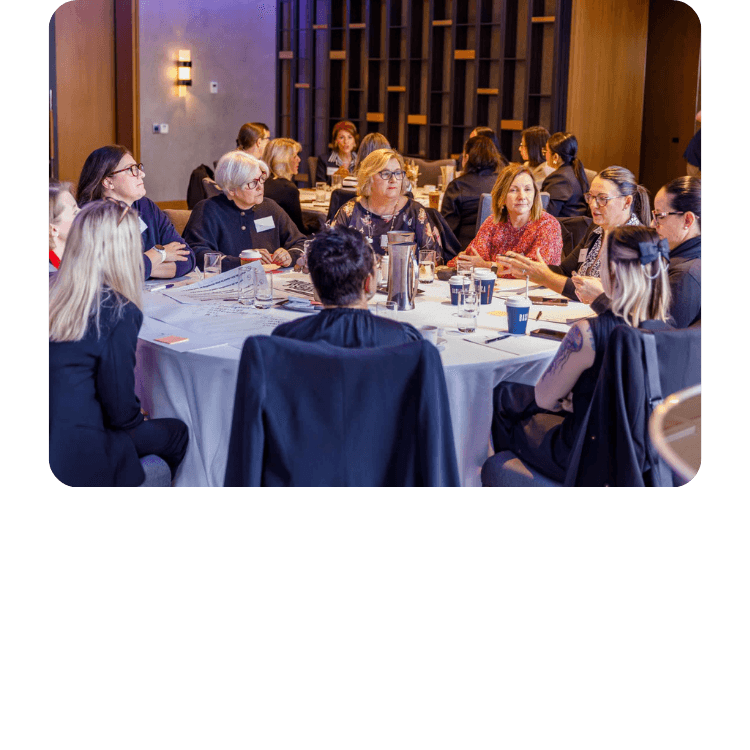
Through The EA Institute’s Future of the EA Profession Roundtable Series, we are listening directly to Executive Assistants about the challenges, opportunities and changes shaping their profession. The Perth Roundtable surfaced recurring themes around recognition, career progression, professional development, AI, strategic contribution and organisational support.
Participants spoke about wanting formal development, frameworks and qualifications. They discussed the need for stronger leadership and strategic capability, clearer career pathways and opportunities to build digital, AI and business capability.
They also spoke about confidence, about backing themselves, about finding their voice, aout being able to demonstrate their value.
These issues are connected.
“You cannot ask a profession to keep evolving while leaving the people within it to work out what good looks like on their own.”
Frequently Asked Questions
What is Executive Assistant professional development?
Executive Assistant professional development is the ongoing development of the skills, judgement, knowledge and professional capability required to operate effectively as an EA. It can include formal education, certification, mentoring, peer learning, workplace experience and targeted skills development.
Why do Executive Assistants need professional development?
The EA role continues to evolve across executive partnership, stakeholder management, business operations, technology, AI, communication and strategic priorities. Ongoing development helps EAs strengthen these capabilities and prepare for future responsibilities.
What professional development should an Executive Assistant undertake?
Useful areas include strategic judgement, business acumen, executive partnership, stakeholder influence, communication, AI and digital capability, professional confidence and career development. The right mix depends on the EA’s role and goals.
Should employers pay for Executive Assistant professional development?
Where development supports an EA’s current role or future contribution, employer investment can form part of normal professional development planning.
How is AI changing professional development for Executive Assistants?
AI is increasing the need for digital capability alongside judgement, critical thinking, governance, communication and relationship skills. EAs need to understand how to use AI effectively and where human oversight remains essential.
Is there professional certification for Executive Assistants?
Yes. Professional certification can provide a structured framework for developing and recognising EA capability. The EA Institute offers the Executive Assistant Professional Certification (EAPC), designed specifically around contemporary Executive Assistant practice.
How often should Executive Assistants undertake professional development?
Professional development works best as an ongoing process. EAs and executives should regularly discuss changing responsibilities, capability, organisational priorities and future career goals.